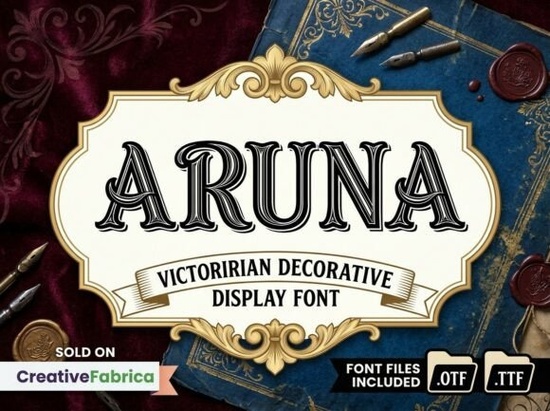
If you're searching for a display font that carries real vintage character without looking like a generic retro copy, Aruna Font deserves a close look. This decorative serif doesn't just reference old typography it brings the actual texture of hand-drawn lettering with inline engraving details that feel authentic rather than overly polished.
What makes Aruna Font different from other serif display fonts?
Most display serifs fall into one of two camps: perfectly clean geometric faces or rough distressed styles. Aruna sits in a less crowded middle ground. It keeps a strong, heavy structural weight that grabs attention, but each letterform carries a rhythmic, hand-drawn quality. The inline textures and engraved-style details add depth without hurting readability.
The swashes deserve special mention. They aren't tacked on as an afterthought they flow naturally from the letters and give the typeface a graceful, almost calligraphic feel. That makes Aruna a solid choice for projects where you want elegance without stiffness. It bridges the gap between 19th-century letterpress art and modern premium branding in a way that feels intentional, not costume-like.
Where can you use Aruna Font in real projects?
This font was built with specific applications in mind, and it shows in the details. Here are a few places where it tends to perform especially well:
- Distillery and winery labels – The vintage character fits spirits and wine packaging naturally. It gives a bottle that established, small-batch look before anyone reads a single word.
- Boutique shop logos – If you're branding a store that sells handmade or heritage goods, Aruna communicates the right tone immediately. It feels curated without trying too hard.
- Artisanal stationery – Letterheads, invitations, and business cards using foil stamping or letterpress printing will show off the high-contrast serifs and engraved details beautifully.
- Social media headers – For accounts that want a stately but stylized visual anchor, a well-chosen word or short phrase in Aruna works as a focal point without needing extra decoration.
- Book covers and editorial headers – Historical fiction, poetry collections, and design-focused publications benefit from the typeface's prestigious personality.
The important thing is to use Aruna at display sizes where the inline textures and swashes remain clearly visible. At small sizes, some of the finer details may get lost, so reserve it for headlines and short phrases rather than body copy.
How does Aruna stack up against other decorative fonts on Creative Fabrica?
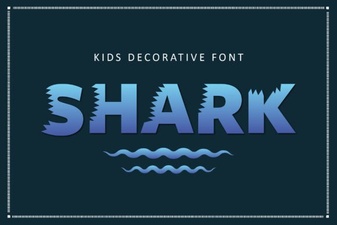
Creative Fabrica has a strong selection of decorative typefaces, and knowing the landscape helps you choose the right tool for each job. For example, Paulette offers a softer, more playful script style that works well for feminine branding and wedding suites. If you need something bolder and more contemporary, Shark brings a sharper, edgier look suited to streetwear or music projects.
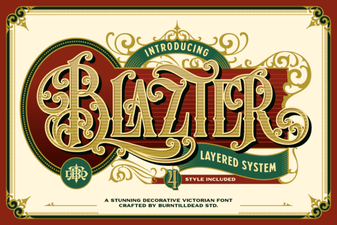
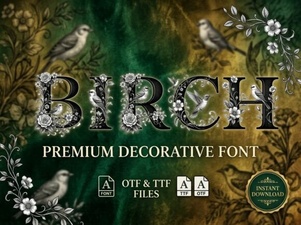
For a rugged handcrafted feel, Blazter leans into a brush-style aesthetic that's less formal than Aruna. And if you prefer something clean and minimal with an organic edge, Birch offers a straightforward serif with natural-looking contours.
Compared to these options, Aruna is the most formal of the group. It's designed for projects that need to feel respected, established, and carefully crafted. You can see more details about the full character set and available weights on the Aruna product page to decide if it fits your workflow.
Is Aruna Font beginner-friendly?
Yes, with one important caveat. Like any decorative typeface with a strong personality, Aruna works best when you let it lead the layout. Pair it with a simple neutral sans serif for body text and keep the overall design clean. The font itself carries enough visual weight that competing elements can make the composition feel cluttered.
If you're new to using display fonts in branding, start with a single word or a short phrase a logo, a main header, or a product name. You can also browse other options in the vintage-style decorative fonts category to compare different approaches before committing to a direction.
What should you watch out for when working with Aruna?
Three practical things to keep in mind:
- Size matters a lot. Use Aruna at 24 point or larger so the inline textures and swashes show properly. At smaller sizes the high-contrast strokes become harder to read, and the engraved details lose their impact.
- Pair it carefully. Because Aruna has a heavy structural weight, it pairs best with light airy fonts for body copy or secondary text. Think thin sans serifs, light-weight scripts, or clean geometric faces.
- Not every project needs swashes. Some applications benefit from a cleaner, more restrained look. The font's standard letterforms are strong enough to stand on their own without the decorative flourishes, so don't feel obligated to use them everywhere.
A quick checklist to see if Aruna fits your next project
If you're considering Aruna for a client project or your own brand, run through these questions:
- Does the project need a vintage or heritage feel? Yes → Aruna is a strong candidate.
- Will the font be used at display sizes? Yes → You'll get the most out of its details.
- Does the brand or product suggest history, craftsmanship, or quality? Yes → Aruna's personality will match the message.
- Do you need clean readability at small sizes? No → Aruna is a display font, not a body font use it where it shines.
If you answered yes to the first three questions, this typeface is likely a good fit. Start with a single word mark or header, pair it with a neutral counterpart, and let the engraved details do the work for you.
 Blazter Font: Design Impact & Creative Usage
 Birch Font: a Modern Touch to Your Design Projects
 Shark Font: a Sharp Typeface for Modern Designs
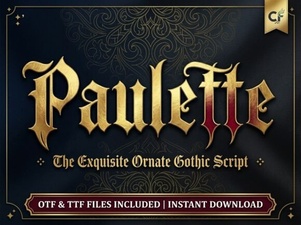 Introducing the Paulette Font for Creative Projects
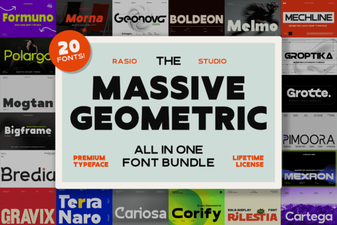 Boost Your Designs with Geometric Font Bundles
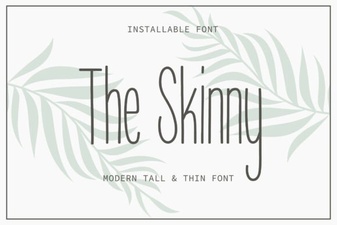 The Skinny Font: Lightweight Designs & Creative Uses